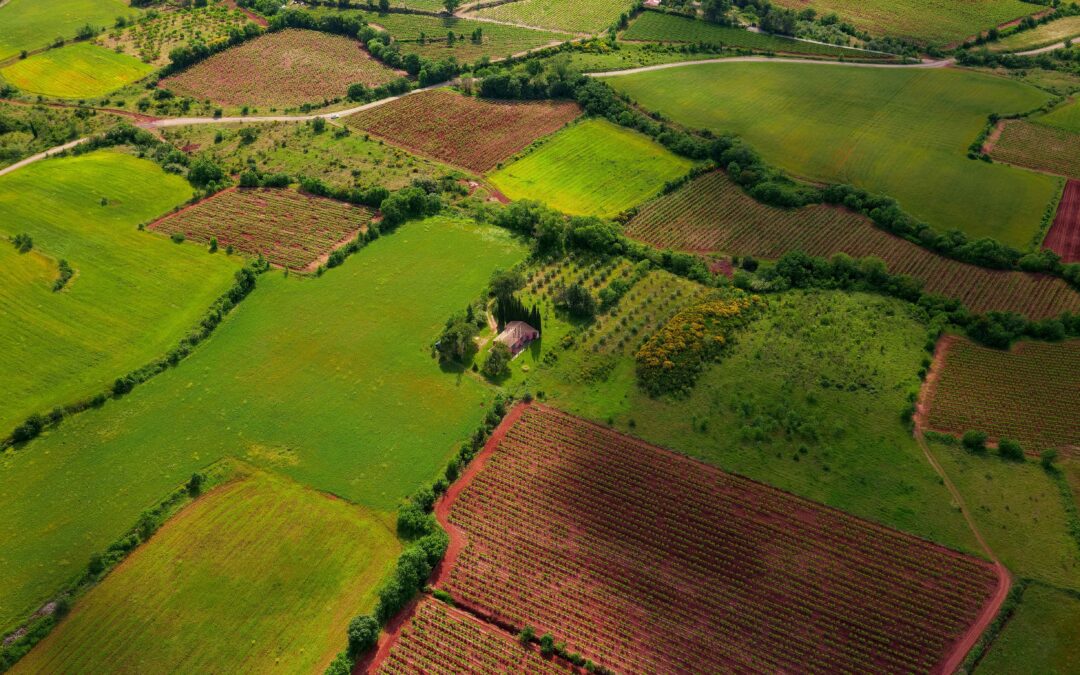
A New Way of Thinking About Land
Land in England is under increasing pressure. Housing demand continues to rise, renewable energy projects are expanding, and there is a growing need to protect the environment and ensure food security. The Government’s new Land Use Framework (LUF) is designed to respond to these competing priorities by setting a foundation which will affect land use and planning policies and decisions in the coming years.
What Is the Land Use Framework?
The Land Use Framework is a strategic plan, it does not place direct obligations on landowners or developers, but will influence planning policies, funding decisions and land management strategies over time.
Its aim is to ensure that land is used efficiently and responsibly. This includes balancing economic growth with environmental priorities like biodiversity, carbon reduction and climate resilience. Future decisions made by local authorities are likely to reflect these broader national objectives.
“Right Use, Right Place”
One of the key ideas behind the framework is that land should be used in the most suitable way for its location. Not all land is equally suited to every purpose. For example, some areas may be better for food production, while others may be more appropriate for housing, renewable energy or environmental restoration.
The framework also promotes “multifunctional” land use. This means land should, where possible, serve more than one purpose at the same time. A piece of land might support agriculture while also contributing to flood management or wildlife habitats. This approach reflects a shift toward maximising value from limited space.
What Does This Mean in Practice?
Although the framework itself is not legally binding, it will shape how planning decisions are made. Local authorities are expected to take its principles into account when preparing development plans or assessing applications.
For developers, this could affect where projects are considered suitable and how environmental requirements are applied. For landowners, there may be new opportunities to take part in environmental initiatives, such as habitat creation or land management schemes. The framework is also linked to Local Nature Recovery Strategies, which will identify areas where environmental improvements are most needed.
Looking Ahead: Change and Opportunity
The Land Use Framework looks ahead to 2030 and beyond, recognising that significant changes in land use will be required over time. Some agricultural land may shift toward other uses, including housing, woodland creation, renewable energy or conservation projects.
While this presents challenges – particularly for the rural sector – it also creates opportunities. Businesses that adapt early and align with these evolving priorities may benefit from new funding streams, partnerships and long-term investment potential.
The Land Use Framework signals a more coordinated and strategic approach to land in England. It offers a chance to think more creatively about how land can deliver value – not just economically, but environmentally and socially as well.
For more information contact Frank Smith & Co Solicitors on 01242 801748 or www.franksmithandco.com